

For the first time, I was sitting next to someone else with Graves’ disease,” she recalled. “Around the table were people who understood the frustration of symptoms that are difficult to describe. They understood the uncertainty that comes with navigating a rare condition. They understood what it felt like to be searching for answers while trying to continue living your life.”
When Anna and her husband, Brian, relocated to Alabama in 2018, their plan was all figured out.
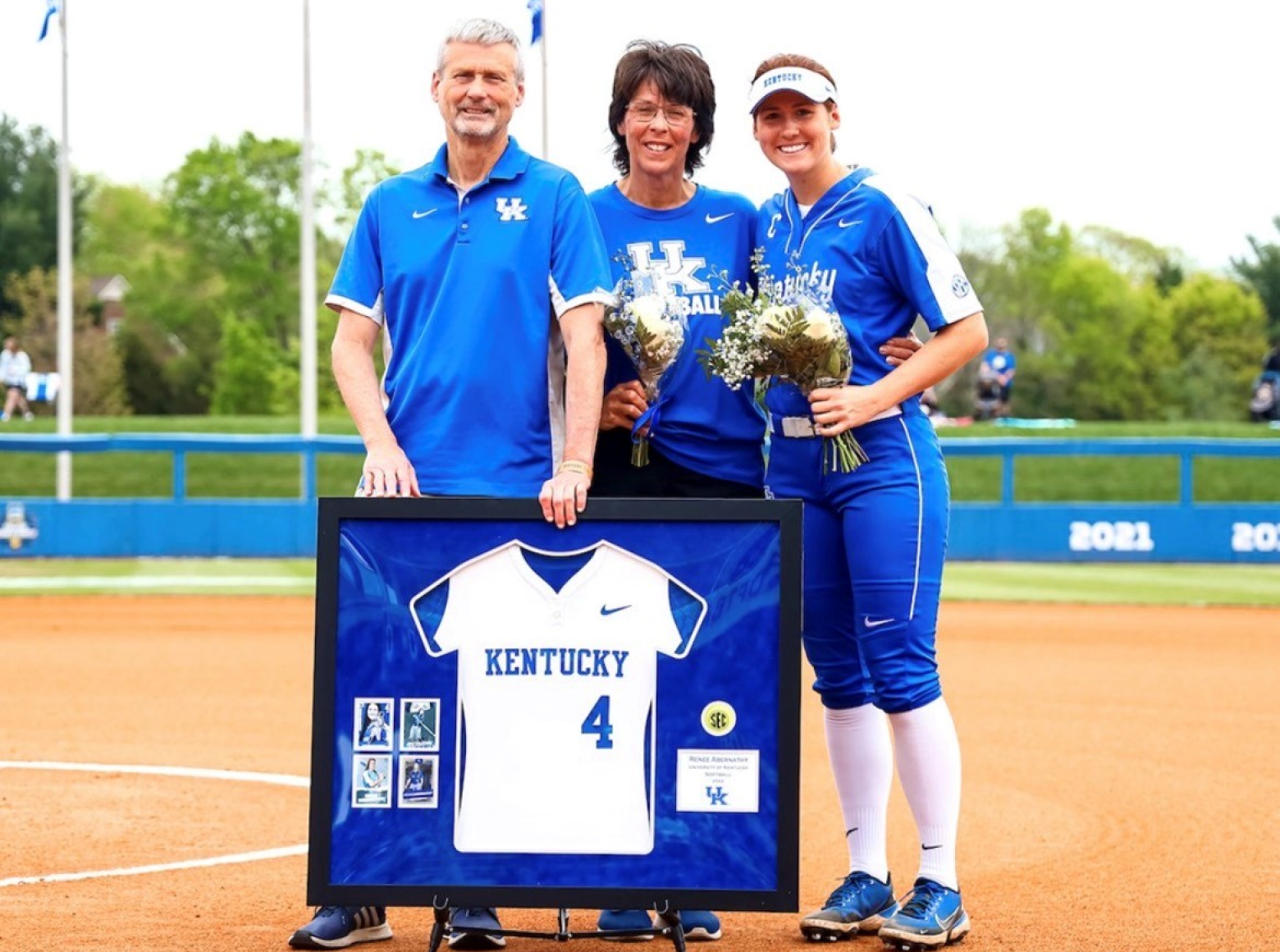
Anna was five years removed from her career as an Illinois State Trooper. Their only daughter, Renee, was starting her collegiate softball career at the University of Kentucky. The move south was intentional. Living in Alabama placed them squarely in the heart of SEC country, making it possible to spend weekends on the road following Renee’s team from stadium to stadium.
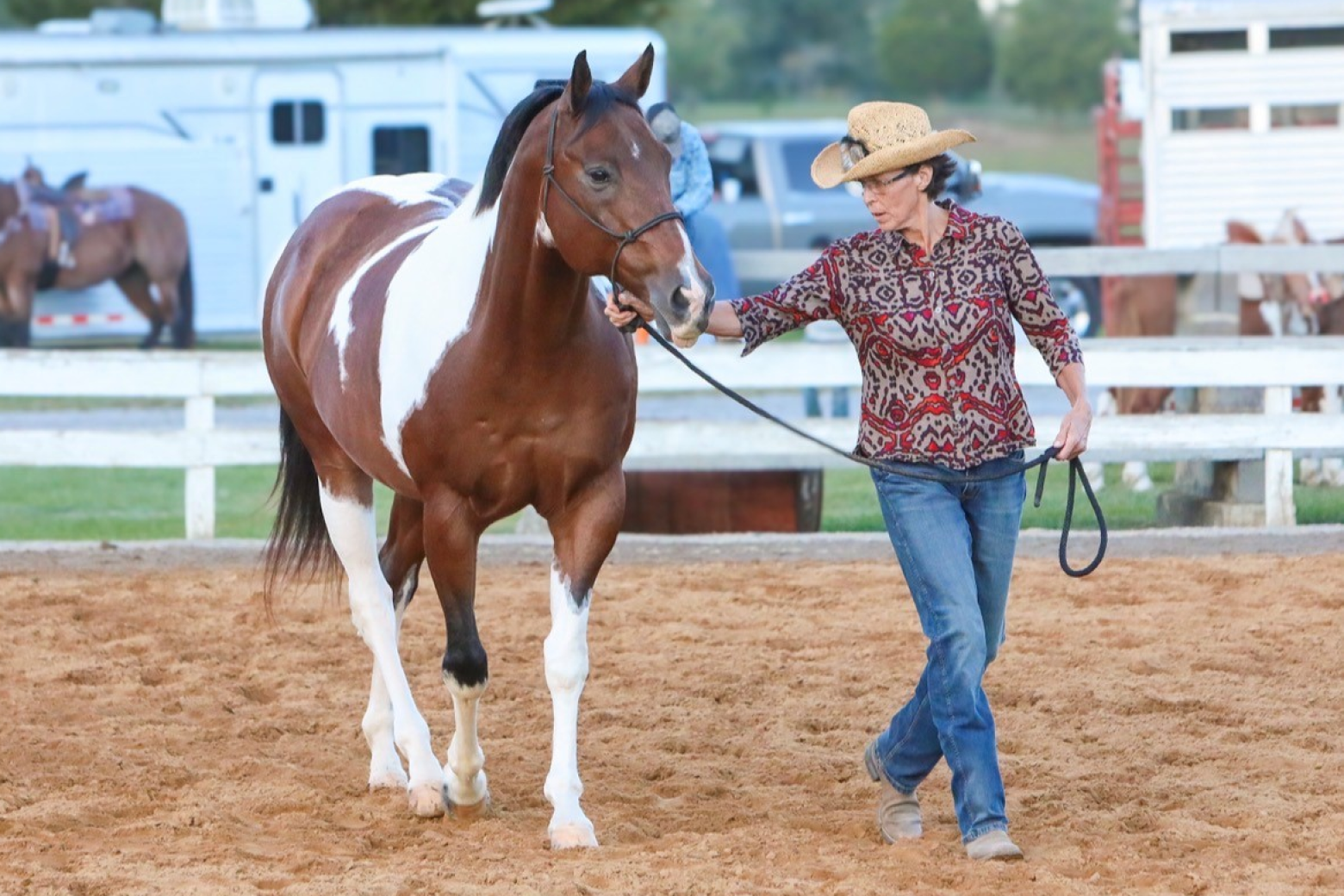
It was a life Anna earned after decades of public service. Retirement meant time outdoors, trail rides through the Cumberland Plateau, and the freedom to travel wherever softball schedules and adventures might lead.
Then her health began to change.
“I was losing weight rapidly. My heart raced. Digestive issues followed me everywhere. Every attempt to solve one problem seemed to reveal another.”
Some answers came through bloodwork that revealed she had an overactive thyroid, also known as hyperthyroidism. An endocrinologist later confirmed the diagnosis in 2022: Graves’ disease.